What Is Cast Acrylic Used For? A Closer Look

Informational

Cast acrylic is a durable, lightweight, and visually appealing plastic material that has become a popular choice across many industries. 

Whether you're working on a commercial design project or creating decorative home pieces, cast acrylic offers strength, clarity, and flexibility in a wide range of colors and thicknesses.

But what is cast acrylic used for, exactly? Let’s explore its most common and practical applications.

1.   Signage and Advertising Displays

One of the most widespread uses of cast acrylic is in sign-making and illuminated displays. Its excellent light transmission and ability to be laser-cut, engraved, or printed on make it a favorite for:

  • Storefront signage
  • LED lightboxes
  • Wayfinding signs
  • Retail advertising boards  

Cast acrylic maintains its clarity and vibrancy over time, making it ideal for both indoor and outdoor signage. It can be customized in various colors and finishes to match brand identities.

2.   Display Cases and Product Stands  

Retailers, museums, and exhibitions often use cast acrylic for clear display cases,product risers, and presentation boxes. Its glass-like transparency showcases products attractively without the fragility or weight of real glass.

From high-end jewelry counters to art galleries, cast acrylic is trusted to create elegant, protective enclosures that don’t distract from the items inside.

Read also: Benefits of Using Clear Cast Acrylic Sheet

3.   Interior Design and Furniture  

In modern interiors, cast acrylic is valued for its sleek appearance and versatility. It’s used to make:

  • Room dividers
  • Decorative wall panels 
  • Floating shelves
  • Custom tabletops  

Its ability to be cut, polished, and shaped makes it a designer-friendly material for creating   minimalist or contemporary furniture   pieces with a polished, professional finish.

4.   Architectural Applications  

Thanks to its strength and weather resistance, cast acrylic is often used in architectural elements, especially for:

  • Skylights  
  • Roof panels  
  • Facade details  
  • Outdoor canopies  

It can withstand harsh environments without yellowing or cracking, making it suitable for   long-term outdoor use   in commercial and residential buildings.

5.   Aquariums and Water Features  

Cast acrylic is also commonly used in aquarium manufacturing, especially for larger tanks. Its   optical clarity, impact resistance, and ability to hold water pressure better than glass make it the ideal material for:

  • Home aquariums  
  • Public aquarium panels  
  • Water fountains and decorative tanks  

It offers a distortion-free view, even with thick panels, which is crucial for underwater observation.

6.   Protective Barriers and Shields  

Especially since the pandemic, cast acrylic has seen increasing use in protective barriers, such as:

  • Cashier shields  
  • Reception counter guards  
  • Office desk dividers  

It serves as a clear barrier while maintaining communication and visibility—offering safety without sacrificing customer experience.

Read also: Do’s and Don’ts: Cleaning Acrylic Sheet the Right Way

7.   DIY Projects and Crafts  

Cast acrylic is popular among crafters and hobbyists because it’s easy to cut, engrave, and assemble. People use it for:

  • Custom keychains and signage  
  • Home decor pieces  
  • Photo frames  
  • Wedding and event props  

With the wide variety of colors and finishes available, creative possibilities are endless.

8.   Medical and Industrial Applications

In specialized environments, cast acrylic is used to make:

  • Instrument covers  
  • Medical equipment housings  
  • Machine guards  

Its chemical resistance and clarity make it useful in laboratories, factories, and cleanroom settings where durability and visibility are essential.

So, what is cast acrylic used for?

From advertising and architecture to DIY crafts and safety equipment, cast acrylic proves itself to be a highly versatile and reliable material. 

Its combination of durability, optical clarity, and workability makes it a top choice for both creative and functional applications.

At Margacipta Wirasentosa, we supply premium cast acrylic sheets in a wide range of colors, thicknesses, and finishes—perfect for your next project, big or small.

Looking for high-quality cast acrylic sheets? 

Contact us or visit our Instagram to discover the perfect acrylic solution for your needs.

News Release

Things to Check Before Buying Acrylic

Acrylic sheets are widely used in industries such as signage, architecture, furniture, and even food-related applications. But with so many options available, knowing how to choose acrylic sheets is essential to ensure quality, safety, and durability.

1. Decide Between Cast or Extruded Acrylic

There are two main types of acrylic sheets:

  • Cast Acrylic: Known for superior optical clarity and durability, making it ideal for premium applications.
  • Extruded Acrylic: More cost-effective with consistent thickness, great for general purposes.

2. Check Thickness and Size Options

Different projects require different sheet thicknesses and dimensions. Make sure the supplier offers the right size to fit your application needs.

Read also: Choose the Right Cast Acrylic Color for Your Project

3. Evaluate Optical Clarity

High-quality acrylic should be crystal clear, with excellent light transmission similar to glass. Avoid sheets that look cloudy or yellowish, which usually means lower grade acrylic.

4. Consider Durability and Resistance

Choose acrylic that offers impact resistance, UV protection, and weather durability, especially for outdoor use. This ensures long-lasting performance.

5. Look for Certification and Safety Standards

For food displays or hygienic environments, select acrylic sheets that have NSF or FDA certification to guarantee safety in food contact applications.

Read also: Acrylic vs Polycarbonate: Which One Should You Use?

6. Work with a Trusted Supplier

A reputable supplier ensures consistent product quality and adherence to international standards, reducing risks for your projects.

Conclusion

Understanding how to choose acrylic sheets will help you make the best decision for your projects. From material type and thickness to certifications and supplier reliability, every factor matters in achieving the desired results.

Looking for premium acrylic sheets? Marga Cipta is a trusted manufacturer of cast acrylic sheets with NSF-certified options (clear and white opal). Contact us today at info@margacipta.com to find the right acrylic for your needs!

How to Choose UV Resistant Acrylic Sheets for Outdoor Applications

Acrylic sheets are widely used in outdoor environments because they offer excellent clarity, lightweight properties, and strong impact resistance. However, when selecting acrylic for outdoor projects, UV resistance becomes one of the most important factors to consider.

Without proper UV protection, plastic materials can gradually lose transparency, become brittle, or develop surface discoloration after prolonged sun exposure. This is why many architects, designers, and fabricators choose UV resistant acrylic sheets for outdoor applications.

This guide explains how to choose the right acrylic sheets for outdoor environments to ensure durability and long-term performance.

1. Look for Built-In UV Resistance

The most important feature of outdoor acrylic sheets is UV stability.

UV resistant acrylic sheets are specially formulated to withstand long-term exposure to sunlight without significant degradation. This helps prevent common issues such as:

  • Yellowing or discoloration
  • Surface cracking
  • Reduced transparency
  • Material brittleness

High-quality acrylic sheets can maintain their optical clarity and structural strength for many years, even in outdoor conditions.

Read also: Cost Breakdown: How Acrylic Can Help You Save Budget in Long-Term Projects

2. Consider the Application Requirements

Different outdoor applications require different types of acrylic sheets. Before choosing a material, it is important to understand how the acrylic will be used.

Common outdoor applications include:

  • Outdoor signage and advertising panels
  • Architectural panels and skylights
  • Protective barriers
  • Greenhouse panels
  • Display cases and retail signage

For signage and display purposes, high transparency and surface quality are essential. For structural or protective panels, impact resistance and thickness may be more important.

3. Choose the Right Thickness

Acrylic sheets are available in various thickness options, typically ranging from a few millimeters to much thicker panels for industrial use.

For outdoor applications:

  • 3–5 mm sheets are commonly used for signage and display panels
  • 6–10 mm sheets are suitable for structural panels and partitions
  • Thicker sheets may be required for heavy-duty installations

Selecting the correct thickness helps ensure stability, durability, and resistance to environmental stress.

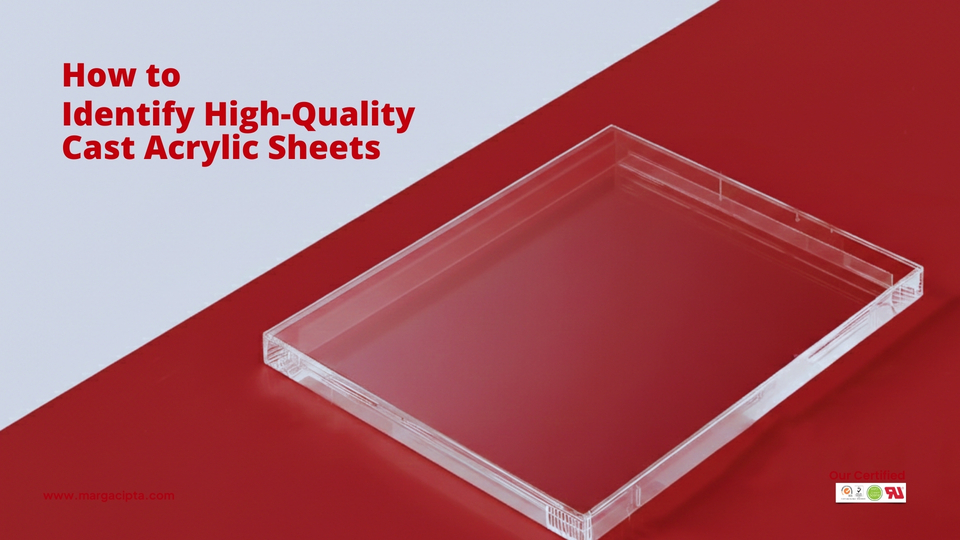
Read also: How to Identify High-Quality Cast Acrylic Sheets | Buyer’s Guide

4. Evaluate Optical Clarity and Surface Quality

One of the biggest advantages of acrylic over other materials is its excellent optical clarity. High-quality acrylic sheets can offer transparency levels of up to 92% light transmission, which is even higher than glass.

For outdoor branding or display applications, consistent surface quality is essential to maintain a clean and professional appearance.

Poor-quality sheets may have issues such as:

  • Uneven surfaces
  • Distortion
  • Lower transparency

These problems can affect both aesthetics and performance.

5. Choose Reliable Acrylic Sheet Manufacturers

The quality of acrylic sheets depends greatly on the manufacturing process and raw materials used. Reliable manufacturers typically provide consistent thickness, strong molecular structure, and better long-term durability.

For projects that require high performance and stability, cast acrylic sheets are often preferred because they offer better strength, chemical resistance, and fabrication quality compared to lower-grade alternatives.

Conclusion

Choosing the right UV resistant acrylic sheet for outdoor use ensures your project remains durable, visually appealing, and functional for years.

When selecting acrylic sheets for outdoor environments, consider the following factors:

  • UV resistance
  • Thickness and strength
  • Optical clarity
  • Application requirements
  • Manufacturer reliability

By selecting high-quality acrylic sheets designed for outdoor performance, you can reduce maintenance costs and improve the lifespan of your project.

Custom Acrylic Sheet Supplier in Indonesia: How to Choose the Right Partner

As demand for acrylic products continues to grow, finding a reliable custom acrylic sheet supplier in Indonesia becomes increasingly important.

Whether for retail displays, signage, construction, or industrial use, choosing the right supplier can significantly impact your project’s quality and efficiency.

But with many options available, how do you choose the right partner?

Why Choosing the Right Supplier Matters

A good supplier does more than just provide materials. They ensure:

  • Consistent product quality
  • Accurate customization
  • Reliable delivery timelines
  • Professional support and consultation

Working with the wrong supplier can lead to delays, poor results, and higher costs.

Find out key factors to consider and how to find a good acrylic supplier for your needs.

Read more: 100% Virgin MMA: The Key to High-Quality Acrylic Sheets

Key Factors to Consider

1. Product Quality

High-quality acrylic should have:

  • Excellent clarity
  • Smooth surface finish
  • Strong durability

Always check if the supplier offers cast acrylic for premium applications.

2. Customization Capability

A reliable supplier should provide:

  • Custom cutting and sizing
  • Bending and forming
  • Laser cutting

This is crucial for projects that require precise specifications.

3. Variety of Options

Choose a supplier that offers:

  • Multiple thickness options
  • Clear, colored, and frosted acrylic
  • Different acrylic types for various applications

More options mean better flexibility for your project.

4. Experience and Reputation

Look for suppliers with:

  • Proven track record
  • Positive client feedback
  • Experience in handling diverse industries

Experienced suppliers are more likely to understand your needs.

5. Lead Time and Availability

Timely delivery is essential, especially for business projects. Ensure the supplier can:

  • Meet deadlines
  • Maintain consistent stock availability

Read also: Does Acrylic Shatter? Find Out Its Strength and Durability

Questions to Ask Before Choosing

  • Do they provide custom fabrication services?
  • What types of acrylic do they offer?
  • Can they handle bulk orders?
  • How fast is their production and delivery time?

Common Mistakes to Avoid

  • Choosing based on price alone
  • Ignoring material specifications
  • Not verifying supplier credibility

These can result in poor-quality output and project delays.

Benefits of Working with a Professional Supplier

A trusted supplier helps you:

  • Achieve precise results
  • Reduce material waste
  • Improve overall project quality

They act as a partner, not just a vendor.

Conclusion

Choosing the right custom acrylic sheet supplier in Indonesia requires careful consideration of quality, capability, and reliability.

Need a trusted acrylic partner?

Marga Cipta offers custom acrylic sheet solutions with various types, sizes, and fabrication options to support your project needs. Work with a supplier that understands quality and precision.

Acrylic vs Glass for Plaque: Which Material is Better?

Acrylic is generally better than glass for plaque applications.

It offers higher impact resistance, lighter weight, and easier fabrication while still maintaining a clear, premium appearance.

For most commercial and design purposes, acrylic provides a more practical and efficient solution.

Quick Comparison: Acrylic vs Glass

Feature

Acrylic

Glass

Impact Resistance

High (does not shatter easily)

Low (breakable)

Weight

Lightweight

Heavy

Clarity

Excellent

Excellent

Fabrication

Easy

Limited

Cost

More efficient

Higher overall cost

Durability and Safety

Acrylic is significantly more impact-resistant than glass. It does not shatter easily, making it safer for use in offices, public spaces, and high-traffic environments.

Glass, while visually appealing, is fragile and prone to breaking. This can lead to safety risks and higher replacement costs.

Read also: How to Choose UV Resistant Acrylic Sheets for Outdoor Applications

Visual Appearance

Both materials offer a clean and transparent look, but acrylic has a more consistent and modern finish.

Acrylic sheets also provide better results for:

  • UV printing
  • Laser engraving
  • Custom designs

Glass may have a slight tint depending on its composition, while acrylic maintains clearer visual consistency.

Weight and Installation

Acrylic is much lighter than glass, making it easier to handle, transport, and install.

This is especially important for:

  • Large plaques
  • Wall-mounted signage
  • Bulk production

Glass requires more careful handling and stronger support systems due to its weight.

Fabrication and Flexibility

Acrylic is highly versatile and compatible with modern production techniques.

It can be:

  • Cut precisely
  • Engraved easily
  • Printed directly

Glass, on the other hand, requires specialized tools and has limited flexibility for customization.

Cost Efficiency

Acrylic is generally more cost-effective than glass when considering:

  • Material cost
  • Fabrication process
  • Transportation and installation

Its durability also reduces the risk of damage, making it a more reliable long-term investment.

Read also: What Acrylic to Use for Cake Topper: A Complete Material Guide

Why Acrylic is the Preferred Material

For most plaque applications, acrylic offers the best balance between:

  • Durability
  • Aesthetics
  • Practicality

This is why many businesses and manufacturers choose acrylic sheets as their primary material.

Marga Cipta provides high-quality acrylic sheets that are suitable for various fabrication methods, helping ensure consistent and professional results.

Conclusion

In the comparison of acrylic vs glass for plaque, acrylic stands out as the better overall material.

It combines strength, clarity, and flexibility, making it ideal for modern plaque production. For businesses looking for efficiency and reliability, acrylic is the smarter choice.